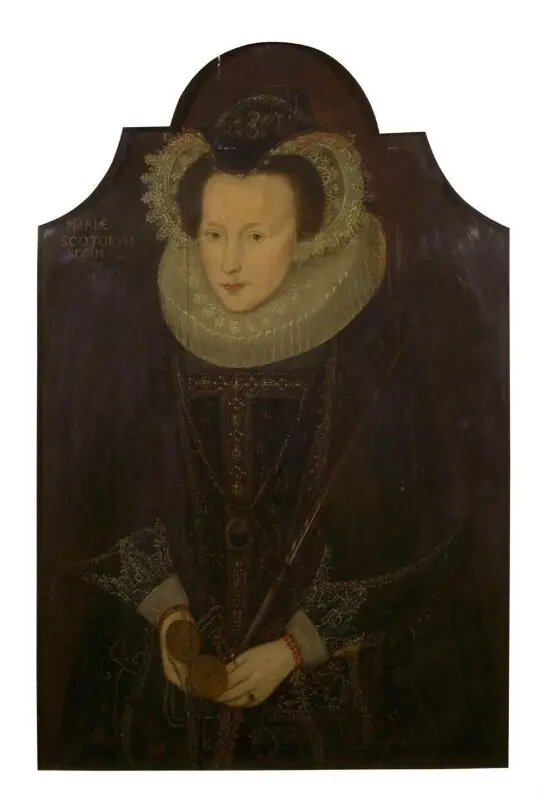
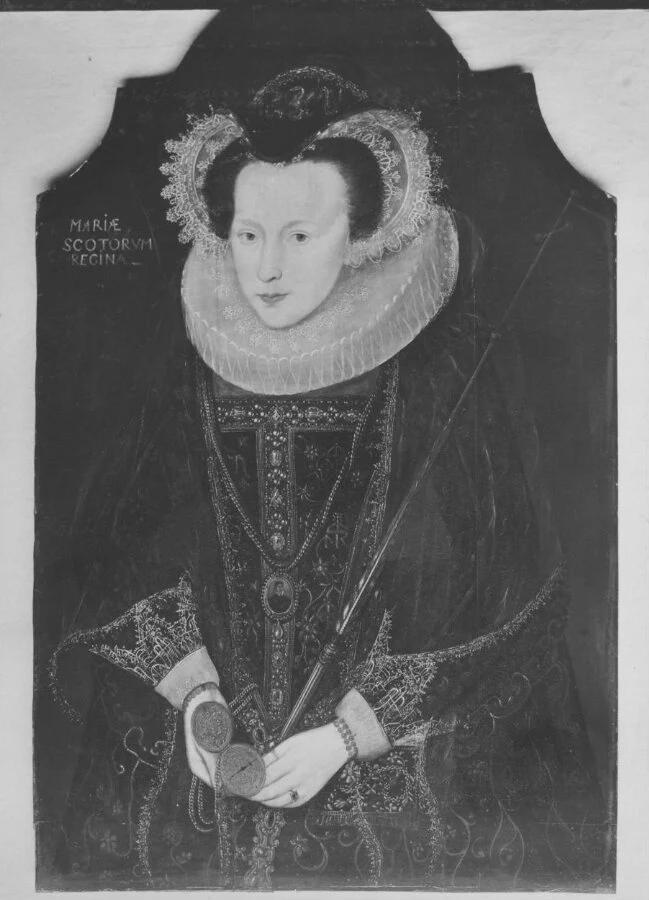
نقاشی رنگ روغن: ماری استوارت، ملکه اسکاتلند، با ساعتی باز در دست
تأییدشدهOil painting: Mary Stuart, Queen of Scots, with an Open Watch in Her Hand
این اثر یک نقاشی رنگ روغن روی چوب بلوط متعلق به سدهٔ ۱۶ میلادی است که ماری استوارت، ملکه اسکاتلند را در حال نگه داشتن یک ساعت جیبی طلا نشان میدهد. این نقاشی در مجموعه موزه ویکتوریا و آلبرت قرار دارد.
نوع مدخل: گونه / تیپ
نقاشی رنگ روغن: ماری استوارت، ملکه اسکاتلند، با ساعتی باز در دست در یک نگاه
- رده
- ساعتها از مجموعههای موزهای
- تاریخ ثبتشده
- 16th century
- مواد ثبتشده
- oil paint؛ oak
- ابعاد و بخش اندازهگیریشده
- Height 38 in approx.؛ Width 24.75 in approx.
- ابعاد ثبتشده
- Height: 38 in؛ Width: 24.75 in؛ :
- شمارهٔ رکورد
- F.48
درجهٔ اعتبار: تأییدشده · ۱ منبع ثبتشده · همهٔ مقادیر از جدول مشخصات همین صفحه نقل شدهاند.
تصاویر مستند
شرح، صاحب عکس، رکورد اصلی و وضعیت حقوق اعلامشدهٔ هر تصویر جداگانه آمده است.
دربارهٔ این مدخل
بازنویسی فارسی شرحِ رکورد موزهٔ ویکتوریا و آلبرت؛ متن با کمک مدل زبانی از همان منبع برگردانده شده، هر جمله در بازبینی دوم با منبع سنجیده شده و هر عدد آن بهطور خودکار با منبع مقابله شده است.
در این نقاشی، سوژه در حالی که به سمت راست متمایل شده، در برابر پسزمینهای تیره به تصویر کشیده شده است. او لباس سیاه گلدوزیشده با طلا و مروارید به تن دارد و بر سرش کلاهی با لبه توری دیده میشود. در دست چپ او یک صلیب و در دست راستش یک ساعت جیبی طلا قرار دارد.
این اثر در سال ۱۸۷۶ میلادی توسط جان فورستر به موزه اهدا شد. جان فورستر نویسنده و مشاور ادبی بود که مجموعه گستردهای از کتابها، نسخههای خطی و نقاشیهای خود را برای موزه ویکتوریا و آلبرت به ارث گذاشت.
رکورد اصلی — بازیابی ۲۷ اکتبر ۲۰۲۶. اندازهها، تاریخگذاری و پیشینهٔ مالکیت به همین نمونهٔ ثبتشده تعلق دارند و به همهٔ نمونههای مشابه تعمیم داده نمیشوند.
مشخصات رکورد موزه
| عنوان در رکورد منبع | Oil painting: Mary Stuart, Queen of Scots, with an Open Watch in Her Hand |
|---|---|
| ردهٔ شیء | ساعت |
| گونهٔ ثبتشده در رکورد | Oil painting |
| سازنده/پدیدآور | unknown |
| تاریخ ثبتشده | 16th century |
| مجموعه | Victoria and Albert Museum |
| شمارهٔ اموال | F.48 |
| شناسهٔ رکورد | Victoria and Albert Museum object O133961 |
جزئیات بازیابیشده از رکورد منبع
| مواد ثبتشده | oil paint؛ oak |
|---|---|
| ابعاد و بخش اندازهگیریشده | Height 38 in approx.؛ Width 24.75 in approx. |
| شرح فیزیکی منبع | The sitter is depicted facing out, turning slightly to her right, against a dark background. She wears a large ruff, a black gown, embroidered with gold over the bodice and adorned with pearls that outline and cross her bodice. Over her hair she wears a chignon or cap edged with lace. Around her neck she wears a miniature, suspended on a chain. On her left hand she wears a ring on her thumb and one with a sapphire on her ring-finger. She clasps a crucifix in her left hand, while in her right she holds a gold pocket watch. |
| زمینهٔ تاریخی ثبتشده | In his encyclopaedic work, Historia Naturalis, the ancient Roman author Pliny the Elder described the origins of painting in the outlining of a man's projected shadow in profile. In the ancient period, profile portraits were found primarily in imperial coins. With the rediscovery and the increasing interest in the Antique during the early Renaissance, artists and craftsmen looked back to this ancient tradition and created medals with profile portraits on the obverse and personal devise on the reverse in order to commemorate and celebrate the sitter. Over time these profile portraits were also depicted on panels and canvas, and progressively evolved towards three-quarter and eventually frontal portraits. These portraits differ in many ways from the notion of portraiture commonly held today as they especially aimed to represent an idealised image of the sitter and reflect therefore a different conception of identity. The sitter's likeness was more or less recognisable but his particular status and familiar role were represented in his garments and attributes referring to his character. The 16th century especially developed the ideal of metaphorical and visual attributes through the elaboration of highly complex portrait paintings in many formats including at the end of the century full-length portraiture. A number of portraits survive of Mary Queen of Scots. The majority of these were commissioned by her son James VI Scotland, later James I of England in an attempt to re-establish his mother's image. Following her execution many considered the catholic monarch as a martyr. This is often conveyed through the symbolism of items such as the jewellery worn by Mary in these portraits. |
| مرجع بازیابی | https://collections.vam.ac.uk/item/O133961/ |
| تاریخ بازیابی منبع | 2026-10-24 |
جزئیات تکمیلی رکورد منبع
| سبک | British School |
|---|---|
| ابعاد ثبتشده | Height: 38 in؛ Width: 24.75 in؛ : |
| ردههای موضوعی موزه | Paintings؛ Portraits؛ Scotland |
| شیوهٔ ورود به موزه | Bequeathed by John Forster |
| رکورد بازیابیشده | https://collections.vam.ac.uk/item/O133961/ |
| تاریخ بازیابی | 2026-10-27 |
نشانههای شناسایی
این نقاشی دارای ارتفاع تقریبی ۳۸ اینچ و عرض تقریبی ۲۴.۷۵ اینچ است.
سوژه یک ساعت جیبی طلا در دست راست خود دارد.
جنس اثر رنگ روغن روی چوب بلوط است.