بشقاب، بشقاب سفالی لعابدار
تأییدشدهfat, fajansfat, plate
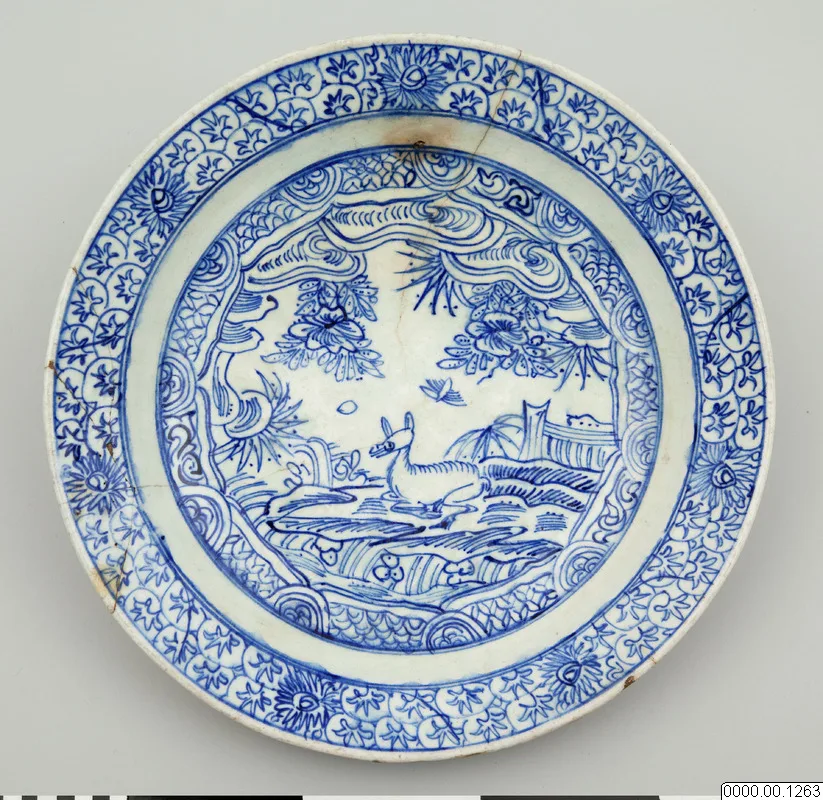
این بشقاب سفالی لعابدار از ایران، دارای نقوش الهامگرفته از نقاشیهای چینی و مینیاتورهای ایرانی است. این اثر در مجموعه موزه فرهنگهای جهانی نگهداری میشود.
نوع مدخل: گونه / تیپ
بشقاب، بشقاب سفالی لعابدار در یک نگاه
- رده:
- نمایهٔ مرجع موزهای
- محل:
- Sweden
- جنس:
- keramik؛ ceramics
- مجموعه:
- Museum of World Culture
درجهٔ اعتبار: تأییدشده · ۱ منبع ثبتشده · همهٔ مقادیر از جدول مشخصات همین صفحه نقل شدهاند.
تصاویر مستند
شرح، صاحب عکس، رکورد اصلی و وضعیت حقوق اعلامشدهٔ هر تصویر جداگانه آمده است.
دربارهٔ این مدخل
بازنویسی فارسی شرحِ رکورد نهاد ارائهدهنده در یوروپیانا؛ متن با کمک مدل زبانی از همان منبع برگردانده شده، هر جمله در بازبینی دوم با منبع سنجیده شده و هر عدد آن بهطور خودکار با منبع مقابله شده است.
این بشقاب سفالی که با تکنیک لعابکاری ساخته شده، نمونهای از ظروف آبی و سفید است که در سدههای شانزدهم و هفدهم میلادی در ایران تولید میشد. ترکیب نقوش روی این بشقاب به طرحهای چینی و مینیاتور ایرانی شباهت دارد و به دلیل سبک طراحی، به عنوان یک طرح اولیه (اسکیس) توصیف شده است.
رکورد اصلی — بازیابی ۲۷ اکتبر ۲۰۲۶. اندازهها، تاریخگذاری و پیشینهٔ مالکیت به همین نمونهٔ ثبتشده تعلق دارند و به همهٔ نمونههای مشابه تعمیم داده نمیشوند.
مشخصات رکورد موزه
| عنوان در رکورد منبع | fat, fajansfat, plate |
|---|---|
| ردهٔ شیء | شیء عتیقه |
| گونهٔ ثبتشده در رکورد | 0000.00.1263 |
| خاستگاه/فرهنگ | Sweden |
| مجموعه | Museum of World Culture |
| شناسهٔ رکورد | Europeana /91608/SMVK_VKM_objekt_100148 |
جزئیات بازیابیشده از رکورد منبع
| مواد / رسانهٔ ثبتشده | keramik؛ ceramics |
|---|---|
| ناشر / مؤسسهٔ رکورد منبع (مرجع) | Världskulturmuseet |
| شرح موضوع در منبع | 0000.00.1263؛ Persien.؛ Iran؛ Persien. [[Haga]]؛ skiss؛ The composition of motifs on this dish from Iran bears influences of both Chinese porcelain painting and Persian miniature painting. At the same time, it is looks almost like a quick sketch, and it is difficult to identify the type of animal in the middle of the design. In the 16th and 17th centuries, Chinese blue and white porcelain was highly prized in Persia, and valued more highly than domestic porcelain, which typically sought to imitate the Chinese. Over time, the quality of Persian porcelain steadily improved, and during periods when China reined in its foreign trade, Persia could provide the European market with the popular blue and white ware. Persian blue and white porcelain differed from Chinese in that it contained more, and more subtle, blue nuances. Blue and white porcelain is usually associated with China, and especially with the Ming dynasty (1368–1644), but it is a brilliant example of the way a technology was transferred from the Islamic world east into China. The idea of using cobalt, which was mined in western Iran, on glazed ceramics originated in Abbasid Iraq in the 9th century. Despite earlier experimentation, it seems now as though it was Mongol rule that caused blue and white porcelain to gain a foothold in China. The technique came from Central Asia, was adopted in China, and the blue and white porcelain was then exported back to Central Asia, where there was a large market for it. |
| مرجع بازیابی | https://www.europeana.eu/item/91608/SMVK_VKM_objekt_100148 |
| تاریخ بازیابی منبع | 2026-10-24 |
جزئیات تکمیلی رکورد منبع
| موضوعها در رکورد منبع | förvaring؛ Kulturhistoria؛ Aashaug؛ etnografi؛ pottery |
|---|---|
| مکان در رکورد | http://kulturarvsdata.se/resurser/aukt/geo/country#ir؛ Iran |
| پیشینه در رکورد | Ursprung i Iran |
| رکورد بازیابیشده | https://collections.smvk.se/carlotta-vkm/web/object/100148 |
| تاریخ بازیابی | 2026-10-27 |
نشانههای شناسایی
این شیء یک بشقاب سفالی لعابدار است.
نقوش آن ترکیبی از سبکهای چینی و مینیاتور ایرانی است.