بت مفرغی
تأییدشدهIdole en bronze
Idole en bronze — رکورد موزهای شیء عتیقه. همهٔ مقادیر این صفحه عیناً از رکورد یوروپیانا نقل شدهاند و هیچ مشخصهٔ برآوردی به آنها افزوده نشده است.
نوع مدخل: گونه / تیپ
بت مفرغی در یک نگاه
- رده:
- نمایهٔ مرجع موزهای
- تاریخ:
- -1300/-801
- محل:
- Belgium
- مجموعه:
- Royal Museums of Art and History, Brussels
درجهٔ اعتبار: تأییدشده · ۱ منبع ثبتشده · همهٔ مقادیر از جدول مشخصات همین صفحه نقل شدهاند.
تصاویر مستند
شرح، صاحب عکس، رکورد اصلی و وضعیت حقوق اعلامشدهٔ هر تصویر جداگانه آمده است.
دربارهٔ این مدخل
بازنویسی فارسی شرحِ رکورد نهاد ارائهدهنده در یوروپیانا؛ متن با کمک مدل زبانی از همان منبع برگردانده شده، هر جمله در بازبینی دوم با منبع سنجیده شده و هر عدد آن بهطور خودکار با منبع مقابله شده است.
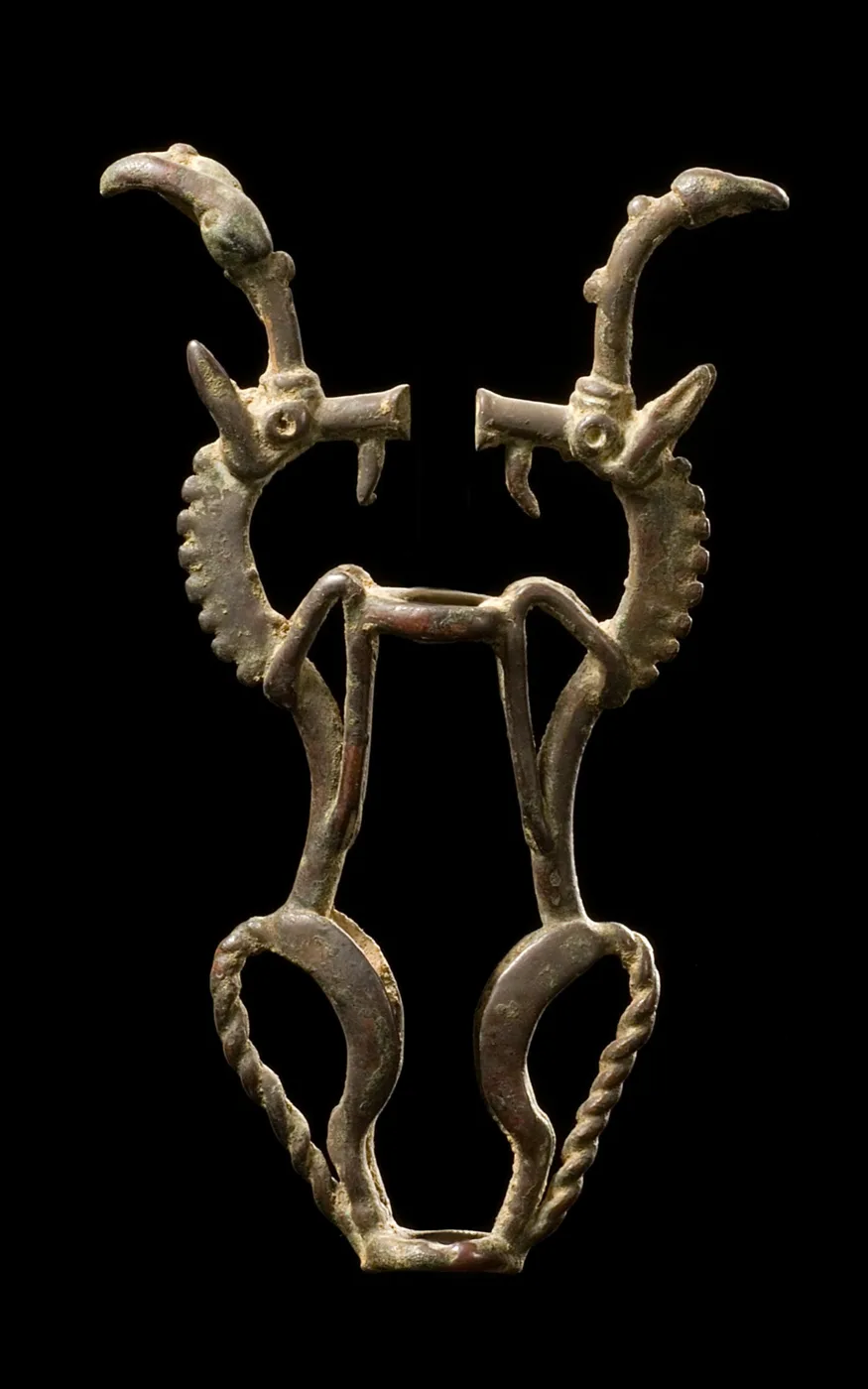
این بت مفرغی که در مجموعه موزههای سلطنتی هنر و تاریخ بروکسل نگهداری میشود، نمونهای از اشیای عتیقه متعلق به فرهنگ لرستان ایران است که قدمت آن به بازه زمانی ۱۳۰۰ تا ۸۰۱ پیش از میلاد بازمیگردد. این اثر که به عنوان یک بت تدفینی شناخته میشود، شامل دو بز کوهی ایستاده است که در مقابل یکدیگر قرار گرفتهاند و پاهای جلویی آنها بر حلقهای تکیه دارد که احتمالاً محل قرارگیری لوله بوده است. دم این بزها به شکل پیچخورده طراحی شده و کل پیکره بر روی پایهای به شکل بطری سوار شده است.
این تندیس کوچک با استفاده از فن ریختهگری به روش موم گمشده ساخته شده است. ابعاد این شیء ۱۳.۵ سانتیمتر ارتفاع دارد. این دسته از آثار که به عنوان استاندارد یا بت شناخته میشوند، از ویژگیهای شاخص مفرغهای لرستان محسوب میشوند. ساختار این اثر به گونهای است که به صورت عمودی کاملاً سوراخ شده و بخشهای جلو و پشت آن کاملاً یکسان هستند؛ ویژگیهایی که نشان میدهد این بتها احتمالاً بر روی شیء دیگری نصب میشدهاند.
رکورد اصلی — بازیابی ۲۷ اکتبر ۲۰۲۶. اندازهها، تاریخگذاری و پیشینهٔ مالکیت به همین نمونهٔ ثبتشده تعلق دارند و به همهٔ نمونههای مشابه تعمیم داده نمیشوند.
مشخصات رکورد موزه
| عنوان در رکورد منبع | Idole en bronze |
|---|---|
| ردهٔ شیء | شیء عتیقه |
| گونهٔ ثبتشده در رکورد | Idole funéraire. Deux bouquetins dressés s'affrontant, les pattes de devant reposant usur l'anneau qui devait contenir le tuyau. La queue en torsade. Les étendards ou idoles constituent peut-être le groupe le plus caractéristique des bronzes du Luristan. Il s’agit, en fait, de petites sculptures coulées à la cire perdue, montées sur un socle en forme de bouteille. Elles sont généralement tout à fa |
| خاستگاه/فرهنگ | Belgium |
| مجموعه | Royal Museums of Art and History, Brussels |
| شناسهٔ رکورد | Europeana /322/Museu_ProvidedCHO_Mus_es_Royaux_d_Art_et_d_Histoire_93932 |
جزئیات بازیابیشده از رکورد منبع
| تاریخ در رکورد منبع | -1300/-801 |
|---|---|
| شرح موضوع در منبع | Idole in the shape of two standing ibex. The standards or idols are perhaps one of the most characteristic groups among the Luristan bronze. They are small sculptures cast in lost wax and mounted on a "bottle-shaped" base. As a rule, they are fully pierced vertically and their front and back are completely identical. These characteristics indicate that they were mounted on something (perhaps a staff), and that they could be viewed from all sides. For a long time, it was unclear whether the "pedestals" were an actual part of the standards and idols. In 1970, Belgian archaeologists discovered a standard during a scientific expedition to Tattulban in Luristan. This was the first standard from a documented archaeological context. Several others would follow, and these discoveries finally confirmed the connection between the pedestals. From now on, it was not only possible to date them, but also to understand their chronological and formal development. The precise function and meaning of the idols or standards remains uncertain. They always occur in tombs with weapons, i.e. in tombs of warriors. The oldest standards date to the 13th century, the beginning of the Iron Age. They consist of two standing ibex or wild animals, probably lions or leopards. The style of the oldest pieces is very naturalistic, while the more recent pieces are more stylized. Sometimes the animals are attached to a ring, or their anterior and posterior paws merge to form the ring. Some standards are characterized by the presence of a rolled bronze sheet forming a pipe. It is possible that in the perforation thus obtained or in the small pipe, a branch could be inserted, which gave rise to the motif of animals flanking a tree of life. This motif was particularly popular in Luristan. |
| مرجع بازیابی | https://www.europeana.eu/item/322/Museu_ProvidedCHO_Mus_es_Royaux_d_Art_et_d_Histoire_93932 |
| تاریخ بازیابی منبع | 2026-10-24 |
جزئیات تکمیلی رکورد منبع
| موضوعها در رکورد منبع | archaeological objects |
|---|---|
| قالب/فن | Bronze؛ Brons |
| ابعاد ثبتشده | Dimensions H x L x P: 13.5 x 0.0 cm |
| مکان در رکورد | Geographical Reference > Asia > Near and Middle East > Iran > Luristan (province)؛ Référence Géographique > Asie > Proche et Moyen Orient > Iran > Luristan (province)؛ Geografische Referentie > Azië > Nabije en Midden Oosten > Iran > Luristan (provincie) |
| رکورد بازیابیشده | https://www.carmentis.be/eMP/eMuseumPlus?service=ExternalInterface&module=collection&lang=fr&objectId=93932 |
| تاریخ بازیابی | 2026-10-27 |
نشانههای شناسایی
این بت شامل دو بز کوهی ایستاده است که در مقابل یکدیگر قرار دارند.
پیکره دارای دمی به شکل پیچخورده است و بر روی پایهای بطریشکل سوار شده است.
این شیء به صورت عمودی کاملاً سوراخ شده و نمای جلو و پشت آن کاملاً یکسان است.