ساعت جیبی «Longines – 1904»
تأییدشدهLongines – 1904
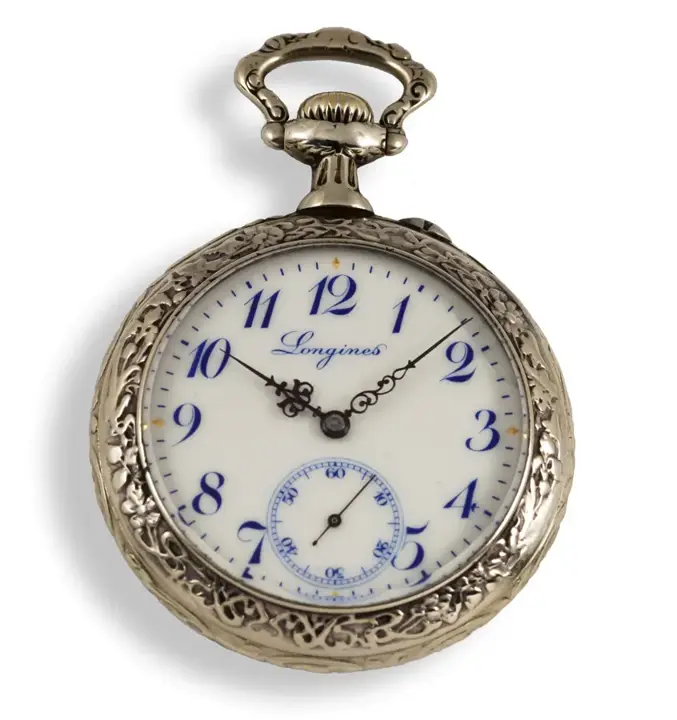
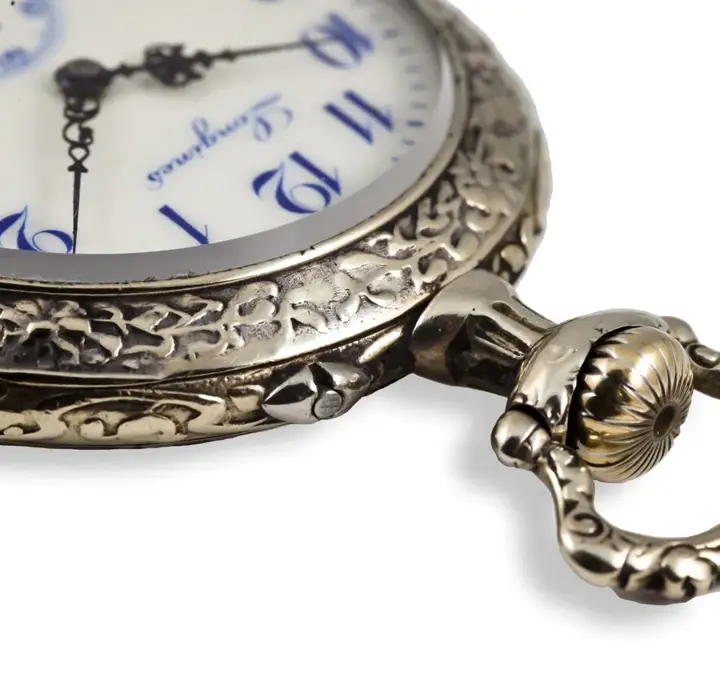
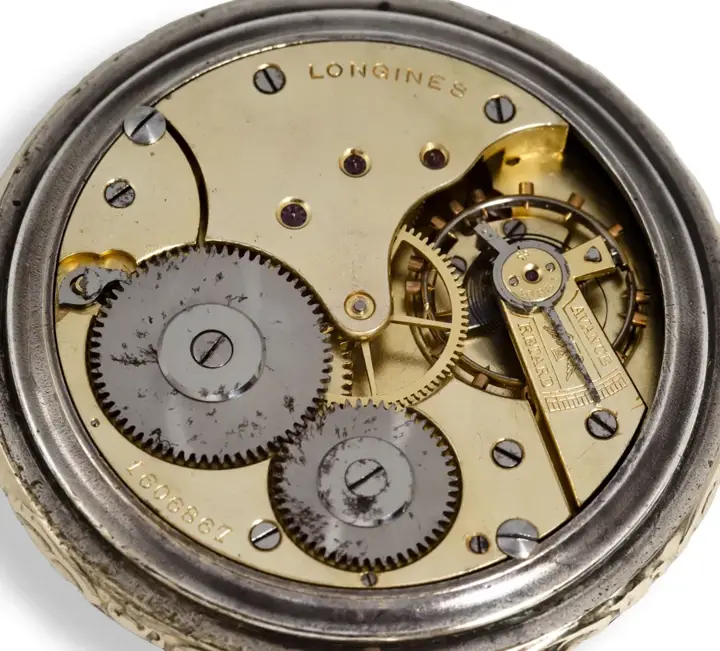
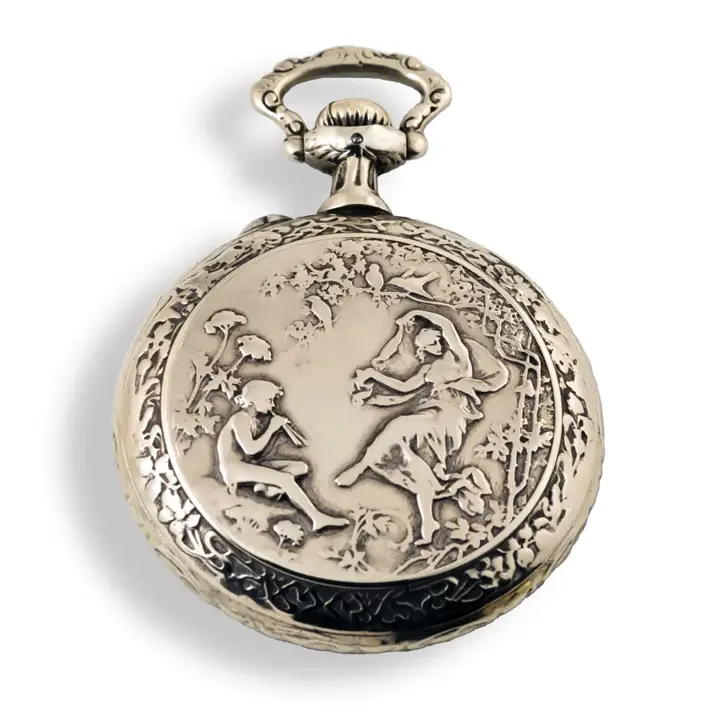
ساعت جیبی ثبتشده در آرشیو Watch Museum با عنوان «Longines – 1904»، ۱۹۰۴ م. مشخصات و عکسها از رکورد اصلی همین آرشیو گرفته شدهاند.
این مدخل یک گونه/سری را توصیف میکند و به شیء منفردی برای فروش اشاره ندارد.
تصاویر مستند
تصاویر واقعی از مجموعههای آزاد؛ پروانه و مرجع هر تصویر زیر آن ثبت شده است.
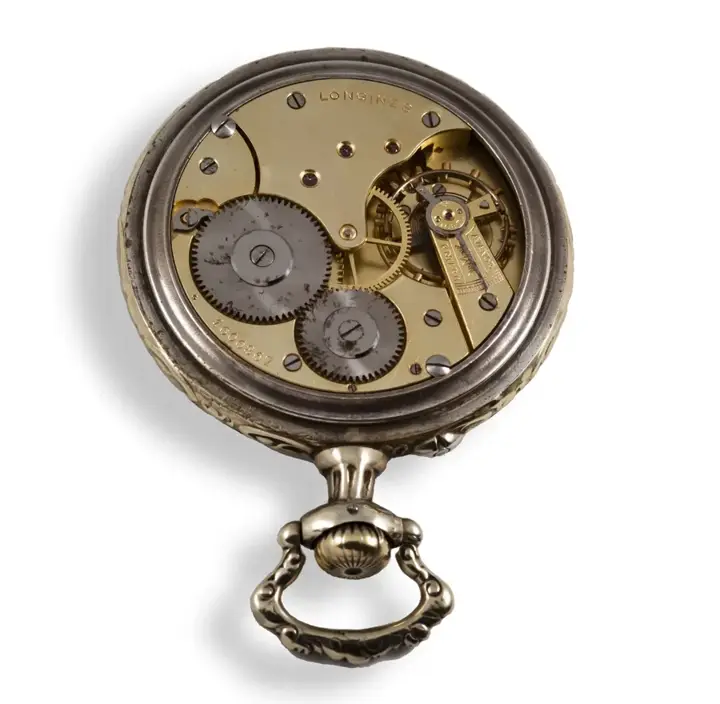
مشخصات رکورد آرشیو
| اندازهٔ کلی | ۵۲.۷mm (excluding Crown & Bow) |
|---|---|
| ماشین (موومان) | ۴۲.۸mm. US size ۱۶ |
| محل ساخت | St Imier, Switzerland |
| سال ساخت | ۱۹۰۴ |
| تعداد سنگ | ۱۵ |
| گونهٔ ماشین | Three quarter plate |
نشانههای شناسایی
- Longines, a name synonymous with precision and innovation, traces its origins back to 1832 when Auguste Agassiz joined the small watchmaking firm of Raiguel Jeune & Cie. Over the years, the company underwent significant transformations, particularly under the leadership of Agassiz's nephew, Ernest Francillon. Francillon's visionary decisions, such as the exclusive production of crown-wound watches, set Longines apart from its competitors who were still focused on key-wound mechanisms. The establishment of the company's first factory in 1867 in the area known as Les Longines marked the beginning of a new era, with their in-house watch winning an award for innovation at the Universal Exhibition in Paris the same year. Recognizing the need for modernization to stay competitive with American watchmakers, technical director Jacques David's pivotal report after the 1876 World’s Fair in Philadelphia spurred Longines towards industrialization. Renowned for the quality and precision of its timepieces, Longines' chronographs and stopwatches became the gold standard in timing sporting events. The brand's legacy continued to evolve, culminating in its acquisition by the Swatch Group in 1971, a conglomerate that now includes prestigious names like Breguet, Omega, and Tissot. Longines' enduring commitment to excellence is evident in the approximately 15 million watches it produced between 1867 and 1971, solidifying its place in the annals of horological history. In 1832 Auguste Agassiz joined the small watchmaking firm of Raiguel Jeune & Cie, which some 35 years later was to become Longines. By 1846 Agassiz was in sole ownership of the company and a few years later brought in his nephew Ernest Francillon. It was Francillon who made the company stand out from its competitors with several outstanding and radical decisions. One of the most important was the decision to make only crown wound watches while almost all other watch making companies were still concentrating on key wind and set. In 1867 the company’s first factory was established to the south of St Imier in an area known as Les Longines (the long meadows) which the company adopted as its name. By now Francillon had inherited the company and he bought in Jacques David as technical director and they produced their first completely in house watch which won an award for innovation at the 1867 Universal Exhibition in Paris.
- Some years later realising that the American watch companies were moving ahead of the European competition, technically and in terms of mass production David went to the 1876 World’s Fair in Philadelphia to see what was happening in America. Upon his return he wrote a 100 page report which is considered one of the most important documents in the history of Swiss watchmaking. His conclusion was that the Swiss watch industry had to modernise and industrialise if it were to compete effectively with the watch industry in the USA. Longines became known for the quality and precision of its timepieces, Its chronographs and stop watches became the standard for timing sporting events. In 1971 Longines was bought out by a Swiss company that eventually became the Swatch Group. (The Swatch Group now own Breguet, Longines, Omega, Tissot, Glashutte & Rado amongst several others). Longines produced a total of approximately 15 million watches between 1867 and 1971.
- This is an unusual and really lovely old Longines which has an almost perfect dial. That in itself is remarkable after 116 years but also a gorgeous rural scene on the back of the case with a young Lad playing the Pan Pipes for a lissome young Lady to dance to. The slightly worn heavy silver plate on the nickel base makes this Albo metal a delight.. Added to this, the watch itself works really well. You’d expect no less from Longines, of course.
- OVERALL CONDITION: The watch is working well and in generally good condition.
- مقادیر جدول مشخصات عیناً از رکورد آرشیو نقل شده است: https://watchmuseum.org/product/longines-1904/